Define What The Measurement Must Support
Begin with the decision the data will inform. A greenhouse temperature reading used for daily reporting has different accuracy, latency, and availability requirements from a reading that directly controls ventilation. Specify measurement range, acceptable error, sample interval, reporting interval, and the maximum gap the application can tolerate.
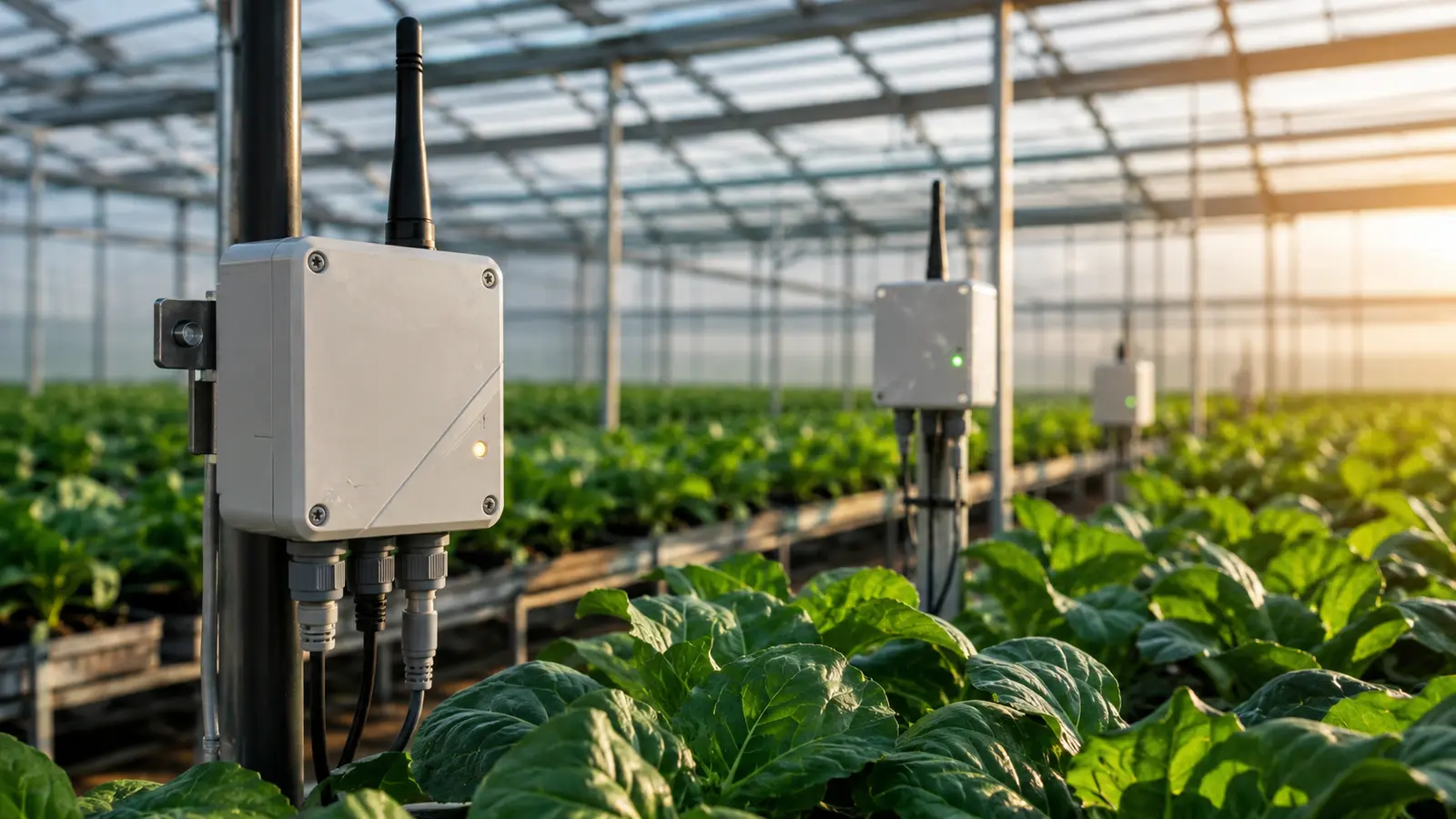
Sensor placement is part of the measurement system. Sunlight, airflow, enclosure heat, vibration, cable length, and nearby machinery can bias a reading. Install representative nodes, compare them with a reference instrument, and record calibration and location. More devices do not automatically create better data if all of them share the same placement error.
Engineer The Node Around Its Energy Budget
List every operating state: sleep, sample, process, transmit, receive, update, and fault. Estimate current and duration for each, then calculate daily energy use with margin for temperature, battery aging, failed transmissions, and self-discharge. A radio that draws significant current for a short burst may dominate the budget even when the microcontroller sleeps most of the day.
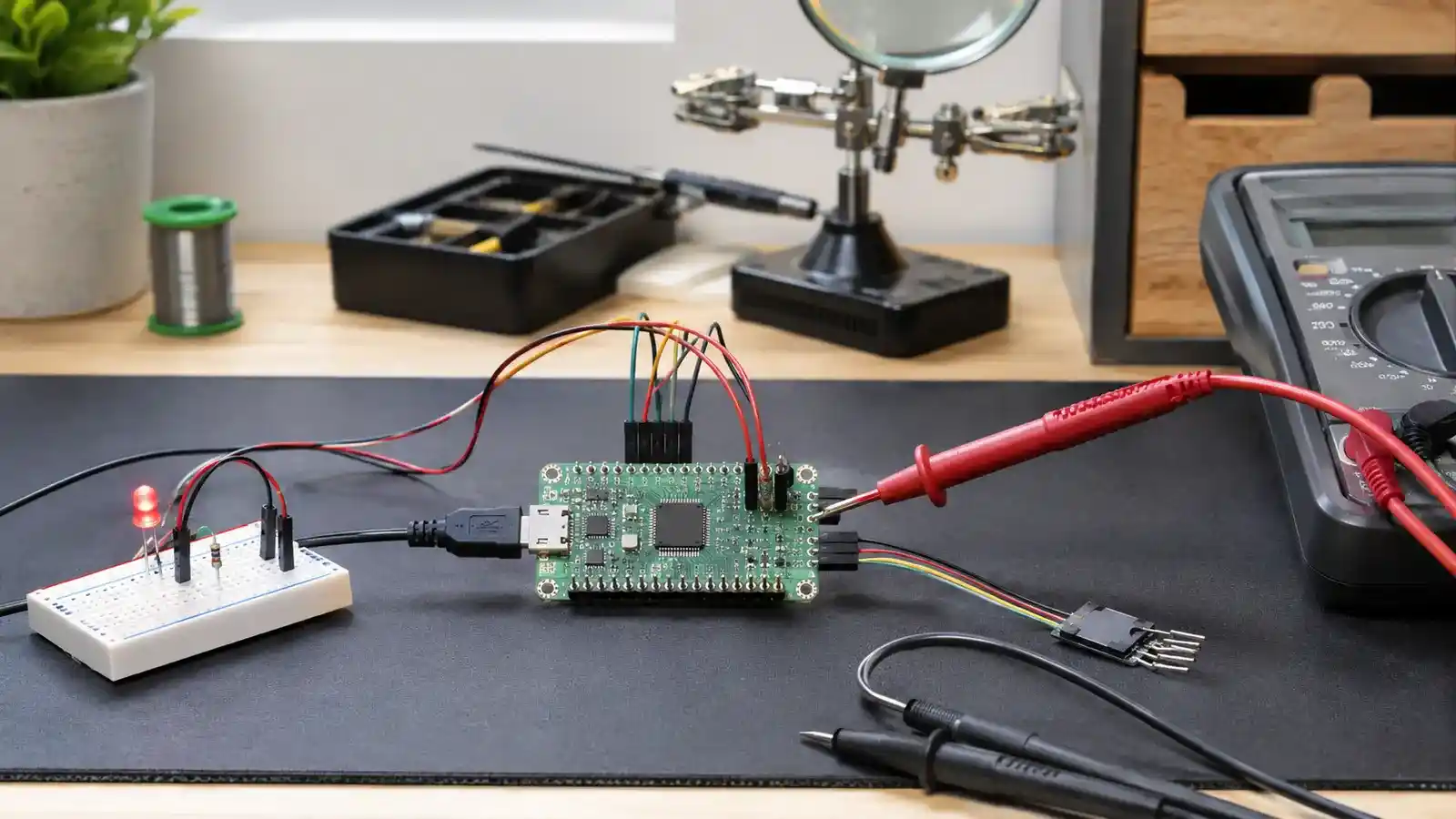
Measure the real prototype rather than trusting only typical data-sheet values. Verify startup current and the voltage dip during transmission. Choose an enclosure, connector, and cable entry suitable for dust, moisture, condensation, ultraviolet exposure, and maintenance. The techniques used to bring up a microcontroller prototype in stages are especially useful before sealing the electronics.
Build A Link Budget, Then Test The Environment
Frequency, antenna, transmit power, receiver sensitivity, distance, obstacles, and interference all affect the radio link. The link budget estimates whether the received signal should exceed the receiver requirement with useful fade margin. It is a starting point, not a substitute for measurements in the actual building, field, or factory.
Mount antennas away from metal, ground planes that violate their design, wet foliage, and noisy electronics. Test with doors closed, equipment operating, and seasonal conditions represented. A gateway should have dependable backhaul and power, but adding gateways is not always the first answer. Better placement and a clear antenna environment may improve the entire system.
For Wi-Fi nodes, band selection and coverage behavior overlap with the practical guide to 2.4 GHz and 5 GHz Wi-Fi. Low-power mesh, cellular, and long-range radio systems have different tradeoffs, but all require evidence about signal margin and packet delivery.
Assume Networks And Cloud Services Will Be Unavailable
A sensor node should timestamp readings, retain a bounded queue, and retry with backoff instead of transmitting continuously. Decide which records may be summarized or discarded when storage fills. Preserve the essential local function if the cloud is unreachable. A control loop should not stop merely because a dashboard cannot refresh.
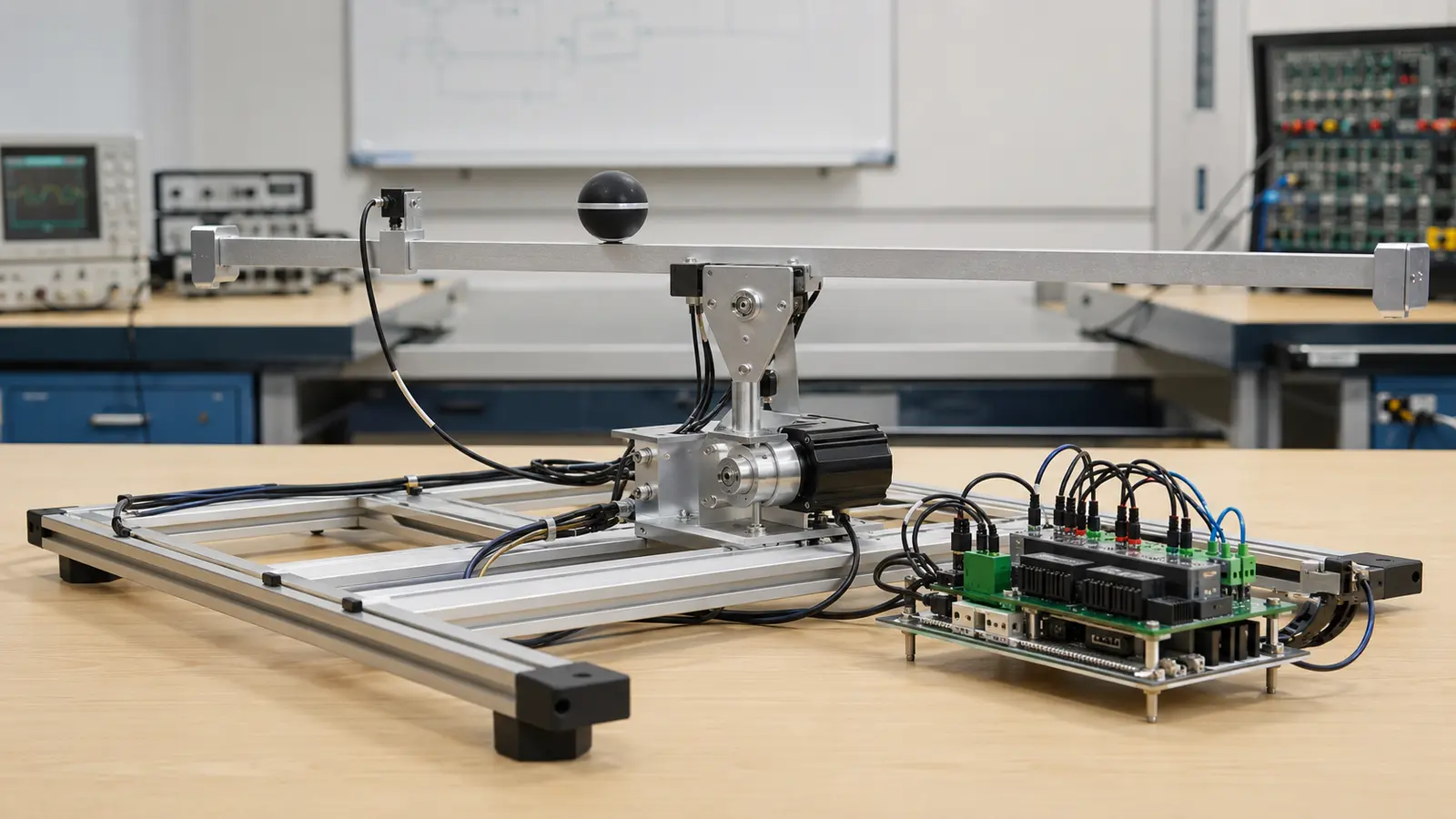
Gateways need similar rules. They should detect duplicate messages, maintain clock quality, and expose health data without overwhelming the network. Use sequence numbers or identifiers that let the application distinguish a delayed reading from a current one. When timing is part of the control function, define explicit deadlines and apply the real-time design approach locally.
| Failure | Local behavior | Recovery evidence |
|---|---|---|
| Gateway unreachable | Buffer a bounded set of timestamped readings | Queue depth and retry count |
| Sensor out of range | Flag invalid data; do not invent a value | Diagnostic state and last valid sample |
| Battery near limit | Reduce nonessential reporting if permitted | Voltage trend and maintenance alert |
| Update interrupted | Return to a verified image | Boot reason and firmware version |
Operate Devices As A Fleet
Each device needs a unique identity, known hardware revision, firmware version, installation record, and owner. Provision credentials per device rather than sharing one secret across the fleet. Plan how credentials are rotated, compromised units are revoked, and software updates are authenticated. Security requirements should be included at design time, not added after deployment.
Collect health metrics that lead to action: battery trend, reset count, signal quality, packet success, sensor fault state, storage use, and firmware status. Establish thresholds based on observed fleet behavior. A dashboard full of raw values is not maintenance planning.
Test updates on a small group, monitor results, then expand gradually. Keep a recovery path and avoid deploying to every device simultaneously. Document replacement and calibration procedures so a field technician cannot accidentally swap sensor channels, antenna types, or power sources.
Common IoT Reliability Questions
Should A Node Send Every Sample?
Not necessarily. Local aggregation can reduce traffic and energy while preserving useful trends. Events that affect safety or control may require immediate delivery, so reporting policy should follow the application requirement.
Is Mesh Networking Always More Reliable?
No. Mesh can extend coverage and provide alternate paths, but it adds routing behavior, relay energy use, and operational complexity. Measure whether those benefits solve the actual deployment problem.
How Much Fade Margin Is Enough?
There is no universal number. Environment, frequency, mobility, antenna installation, and availability target matter. Use a conservative budget and validate packet performance in representative worst conditions.