Control Heat And Noise
Find the thermal bottleneck first, then reduce noise without sacrificing stable cooling.

Handasa Arabia
Hardware performance is a balance among workload, temperature, power, memory, storage, acoustics, and physical limits. Replacing a component can help, but only when the component is the actual constraint.
These guides use observable symptoms and measurable behavior to explain overheating, storage health, memory capacity, processor roles, noise, and power-supply sizing. The goal is to make an upgrade or repair decision with evidence rather than specification anxiety.
Choose the route that matches the symptom you can reproduce, then test the entire system before buying parts.
Diagnose Before Upgrading
The routes connect thermal, capacity, compute, and power decisions into complete system checks.
Find the thermal bottleneck first, then reduce noise without sacrificing stable cooling.
Match RAM to the active workload and use drive health data without mistaking indicators for guarantees.
Assign work to the processor designed for it and size the power supply around the whole system.
Practical Hardware
Six connected guides cover cooling, storage health, memory, processors, acoustics, and safe power planning.
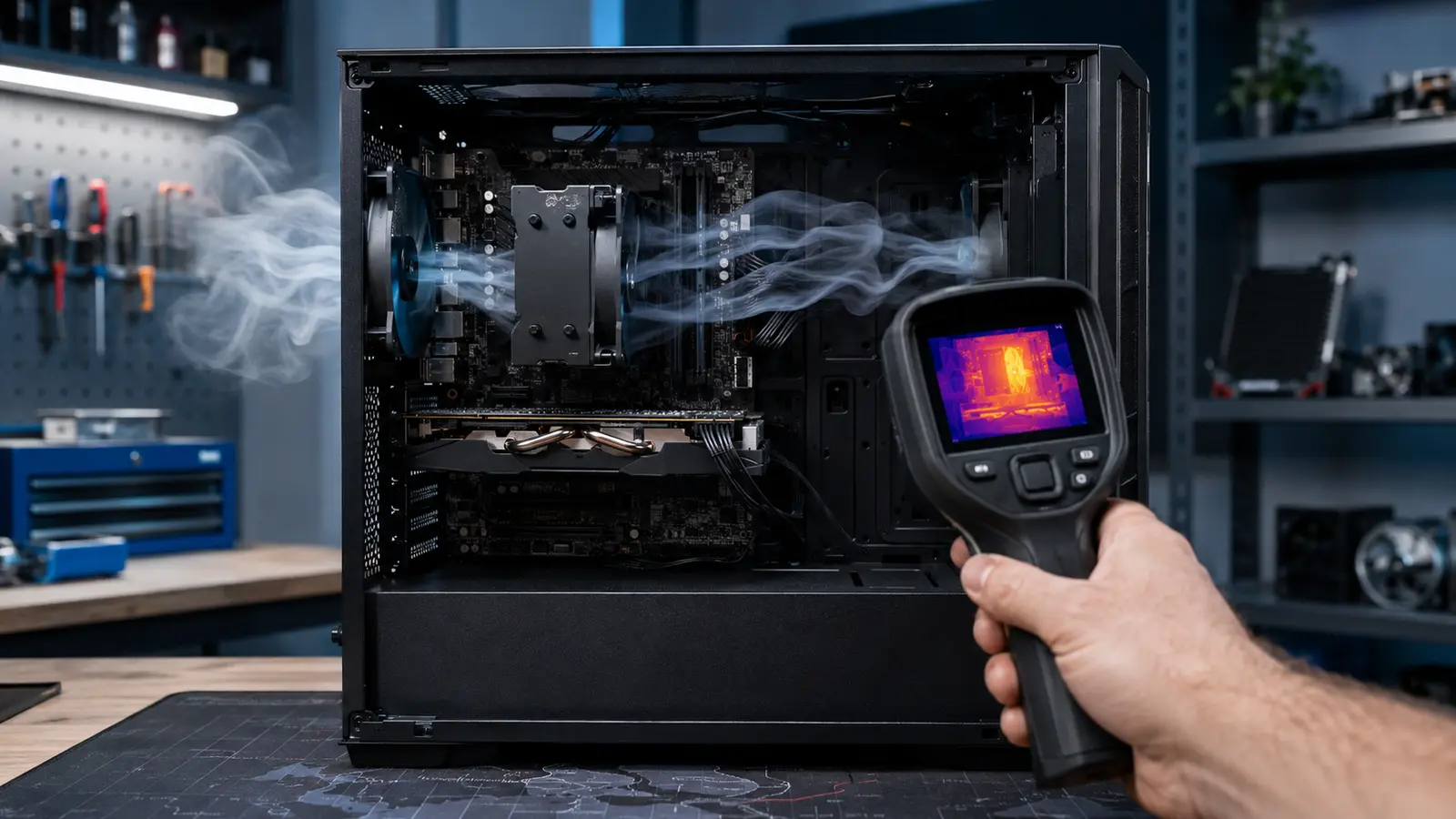
Measure temperatures under repeatable load, isolate the thermal bottleneck, and fix the part of the cooling path that is actually failing.
Read guide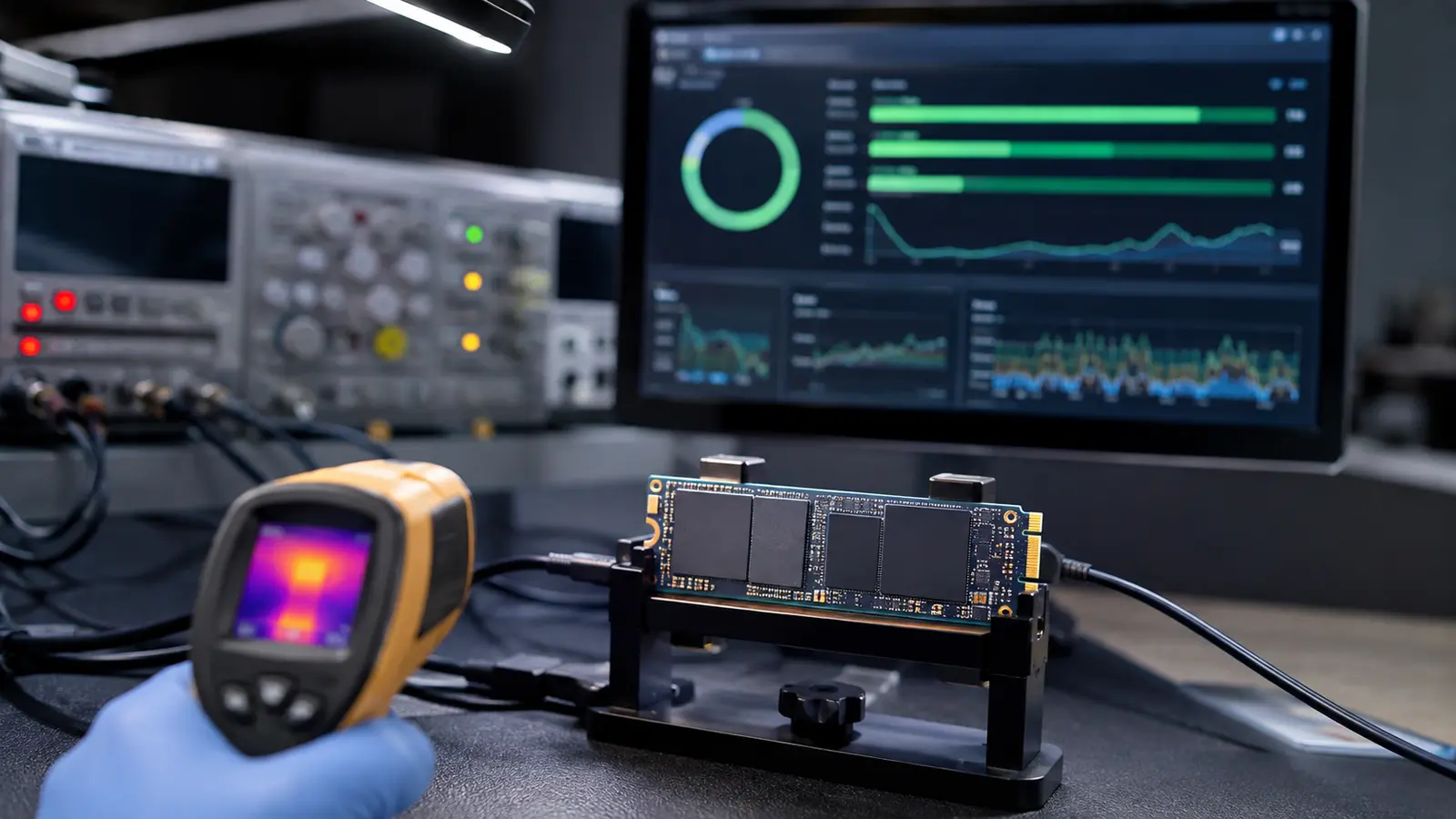
Use health counters as evidence for maintenance and backup decisions without treating a single percentage as a failure forecast.
Read guide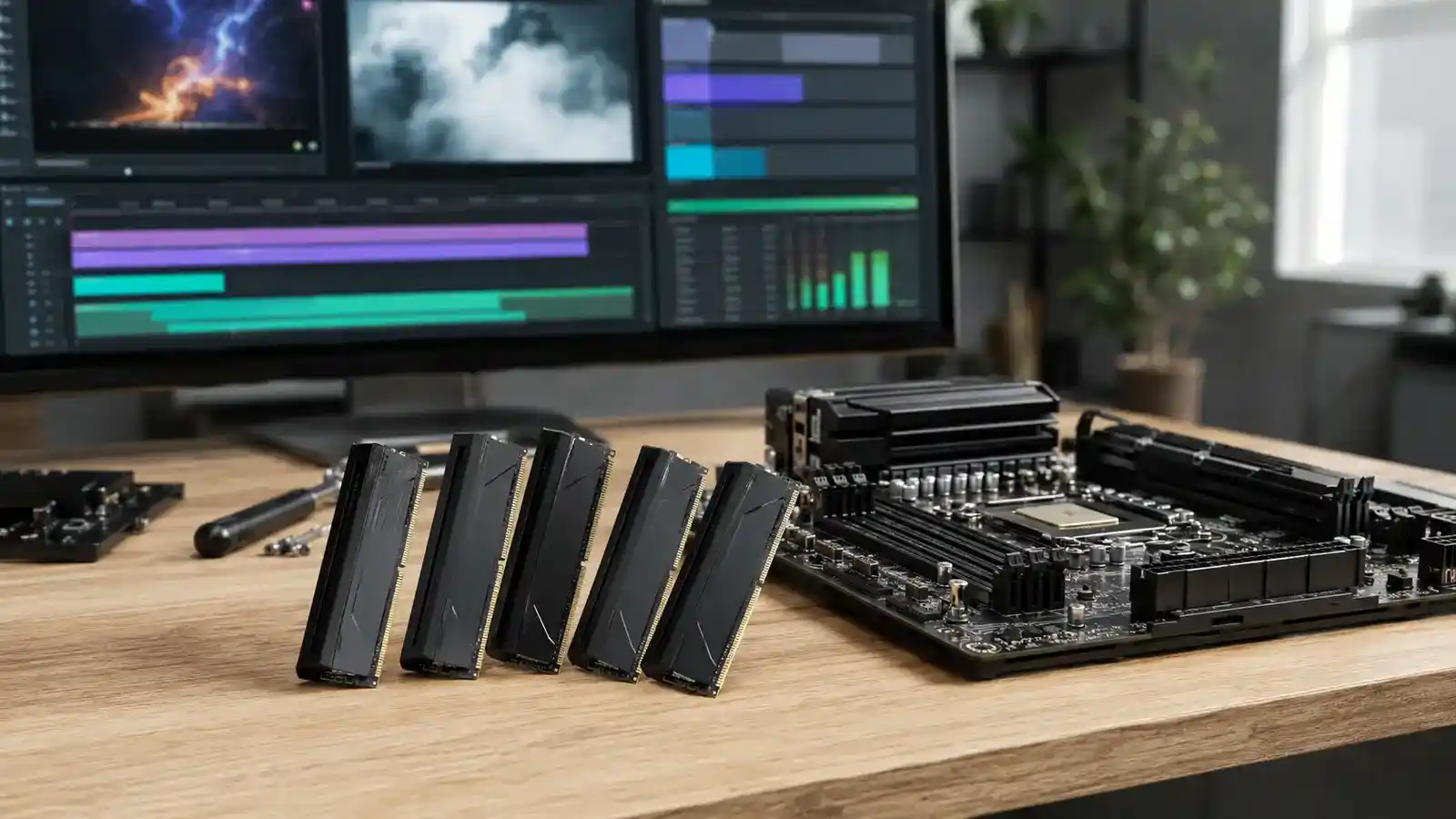
Stop choosing memory from a generic tier list; measure peak working sets, multitasking, and paging, then preserve sensible headroom.
Read guide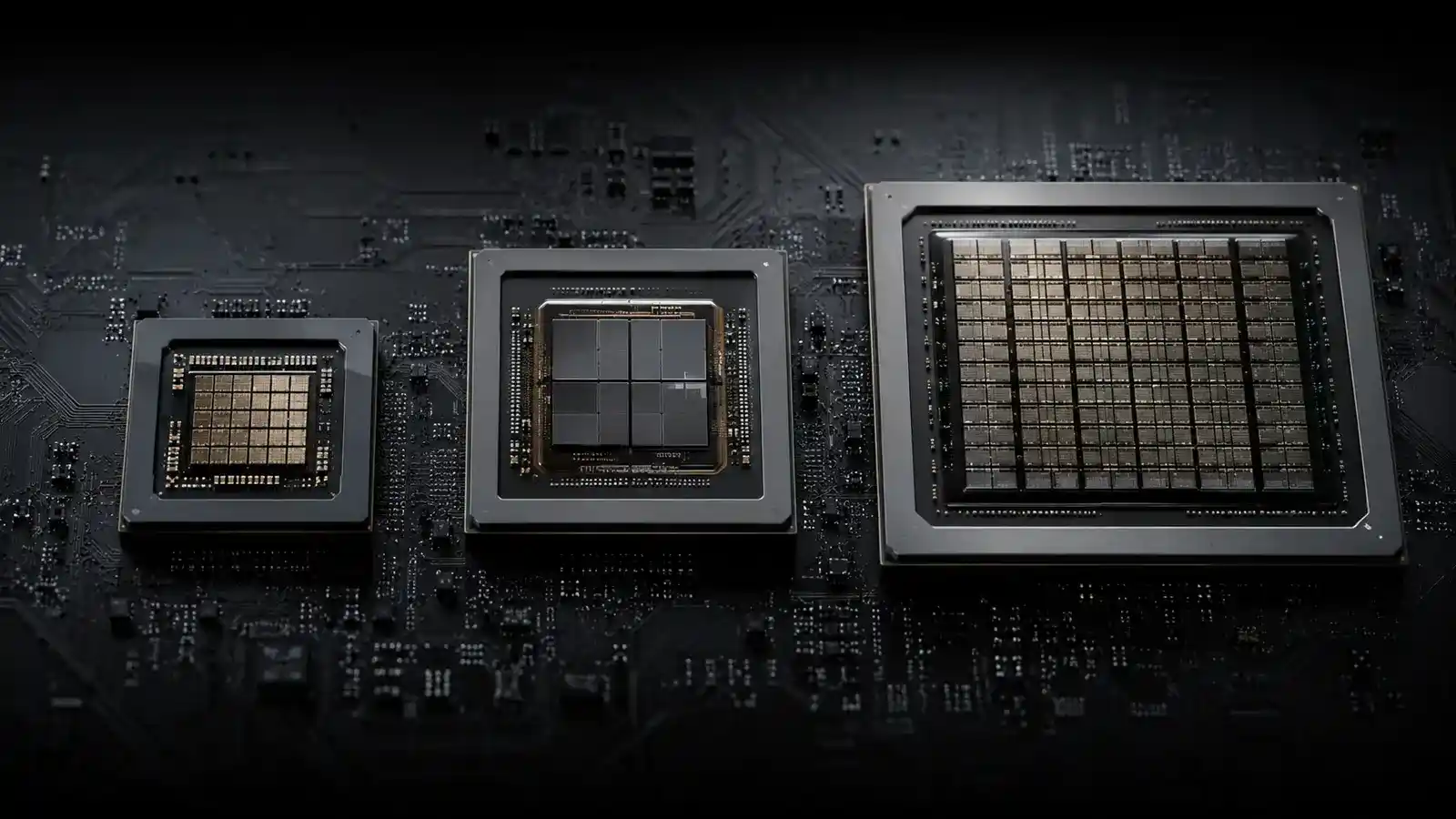
Choose a system by the applications and execution paths you use, not by treating three very different processors as interchangeable speed scores.
Read guide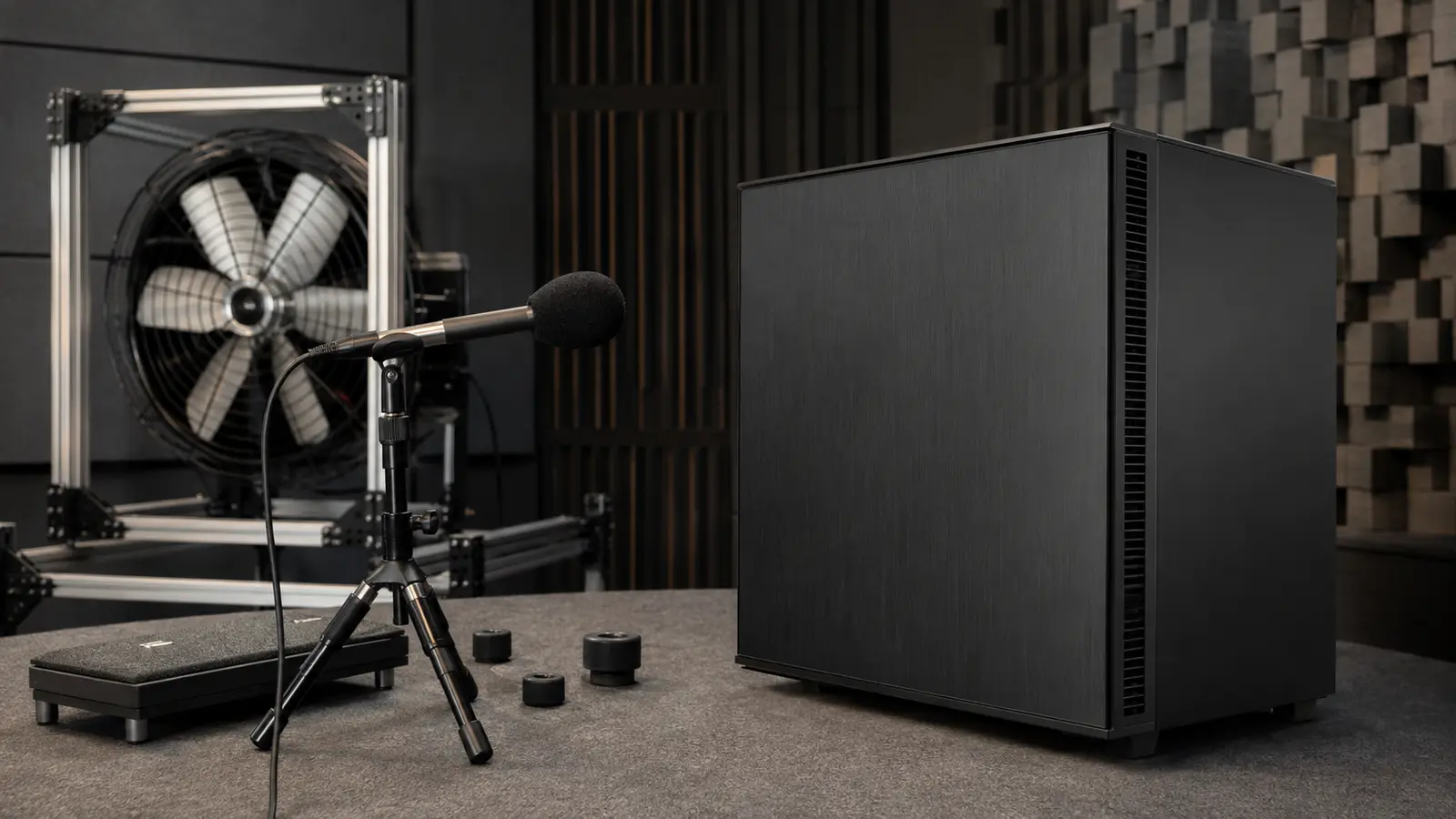
Find the dominant sound, remove airflow restriction and vibration, then tune the machine against thermal and performance evidence.
Read guide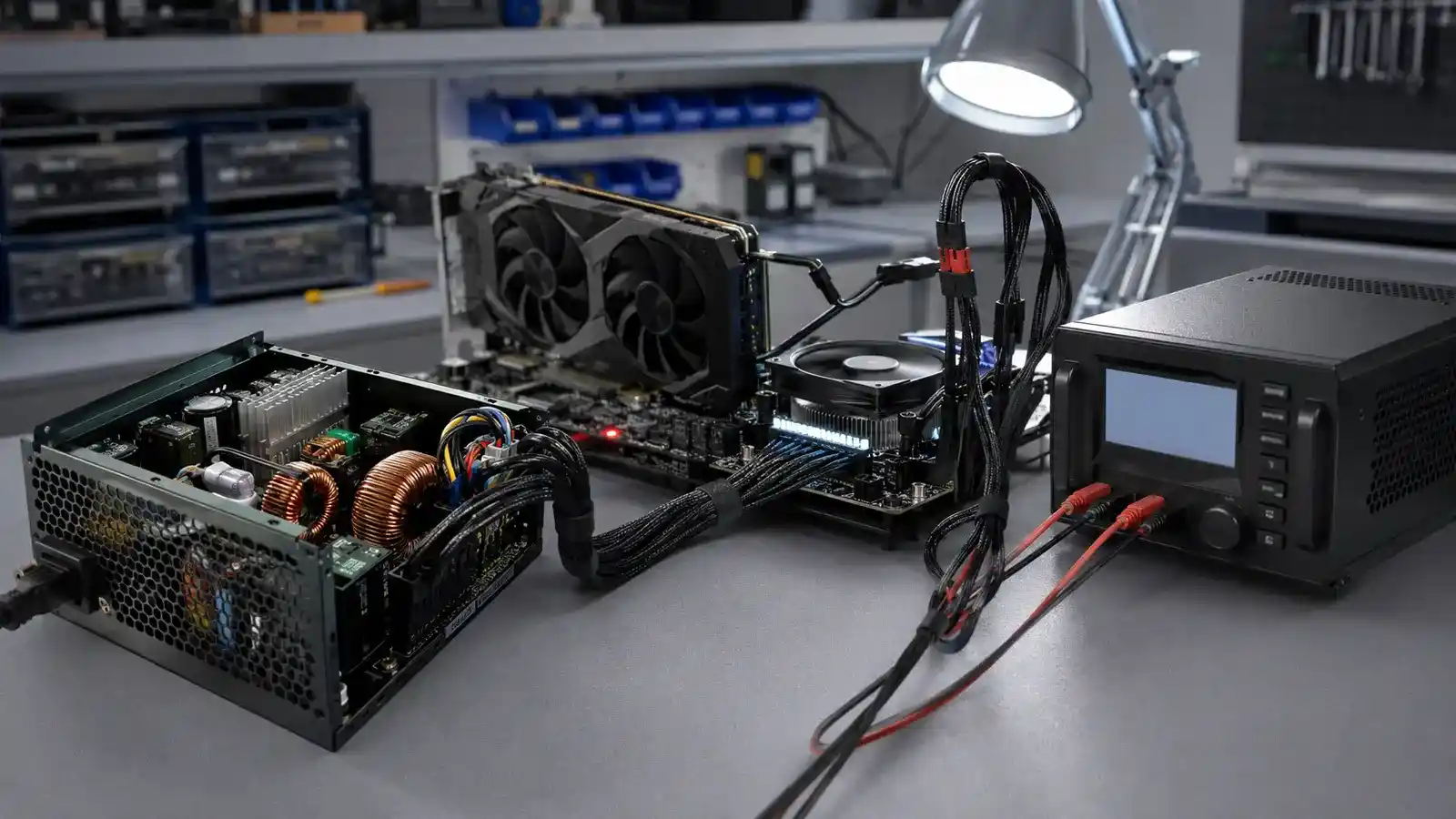
Choose capacity and connectors from measured system behavior and credible component requirements—not from a single online wattage total.
Read guideConnected Knowledge
A component is never fast in isolation. Game frame time, machine-learning inference, storage access, and software scheduling determine whether theoretical capability becomes useful performance.
Engineering constraints matter too: board design, power integrity, cooling, and interfaces shape reliability long before a benchmark is run.
See how hardware connects with engineering, software, networking, security, gaming, and applications.