Make Change Safer
Improve the clarity of everyday code and use evidence when a defect reaches production.
Handasa Arabia
Software quality becomes visible when a system changes, fails, scales, or passes from one team to another. Clean syntax alone cannot compensate for unclear ownership, fragile interfaces, weak observability, or data structures that no longer fit the workload.
This collection focuses on the decisions that shape production systems: maintainable code, API reliability, architecture boundaries, database indexes, incident diagnosis, and the operational work required after a machine-learning model leaves a notebook.
Use the routes below to start from the kind of pressure your system is experiencing rather than from a fashionable tool or architecture.
From Code To Production
Choose a route based on maintainability, architecture, or operational reliability.
Improve the clarity of everyday code and use evidence when a defect reaches production.
Choose service boundaries around team and domain needs, then make indexes serve real queries.
Look beyond working endpoints and trained models to the dependencies, monitoring, and failure paths users encounter.
Practical Software
Six guides connect code quality with production behavior, data, architecture, and operations.
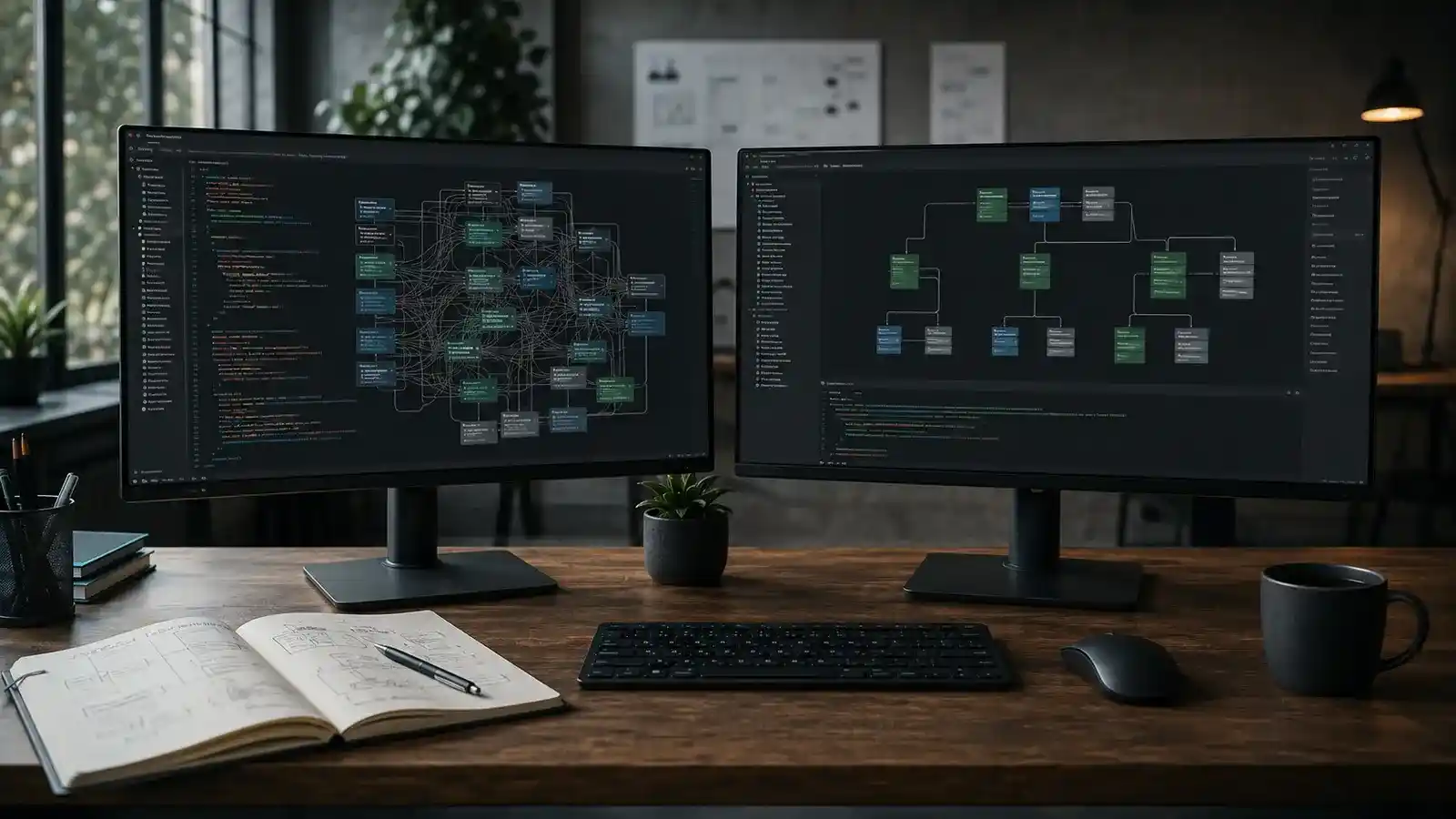
Make software easier to change by optimizing for clarity, boundaries, feedback, and the next reader.
Read guide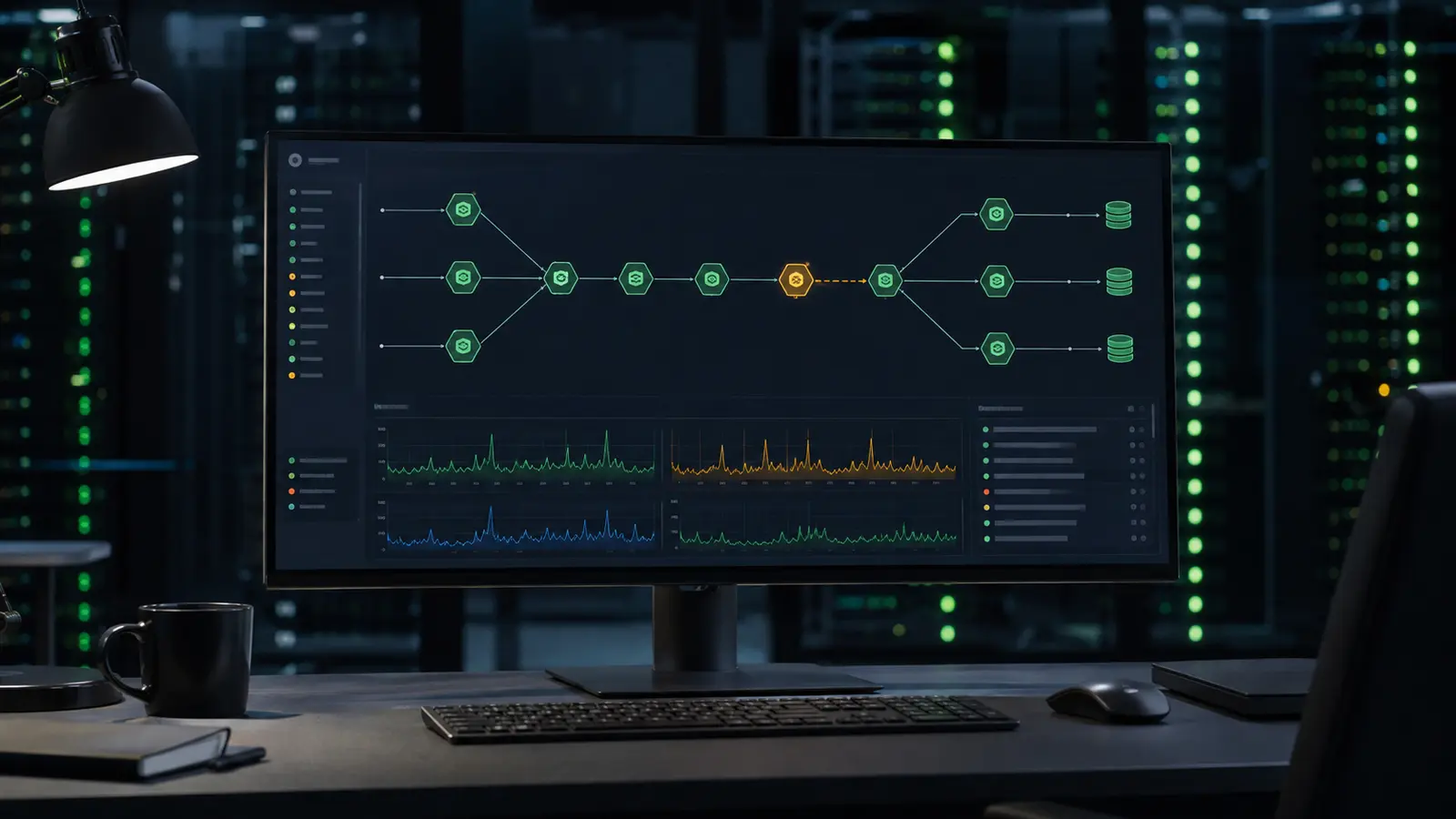
Endpoint correctness is only the beginning; production reliability depends on time, load, dependencies, and recovery.
Read guide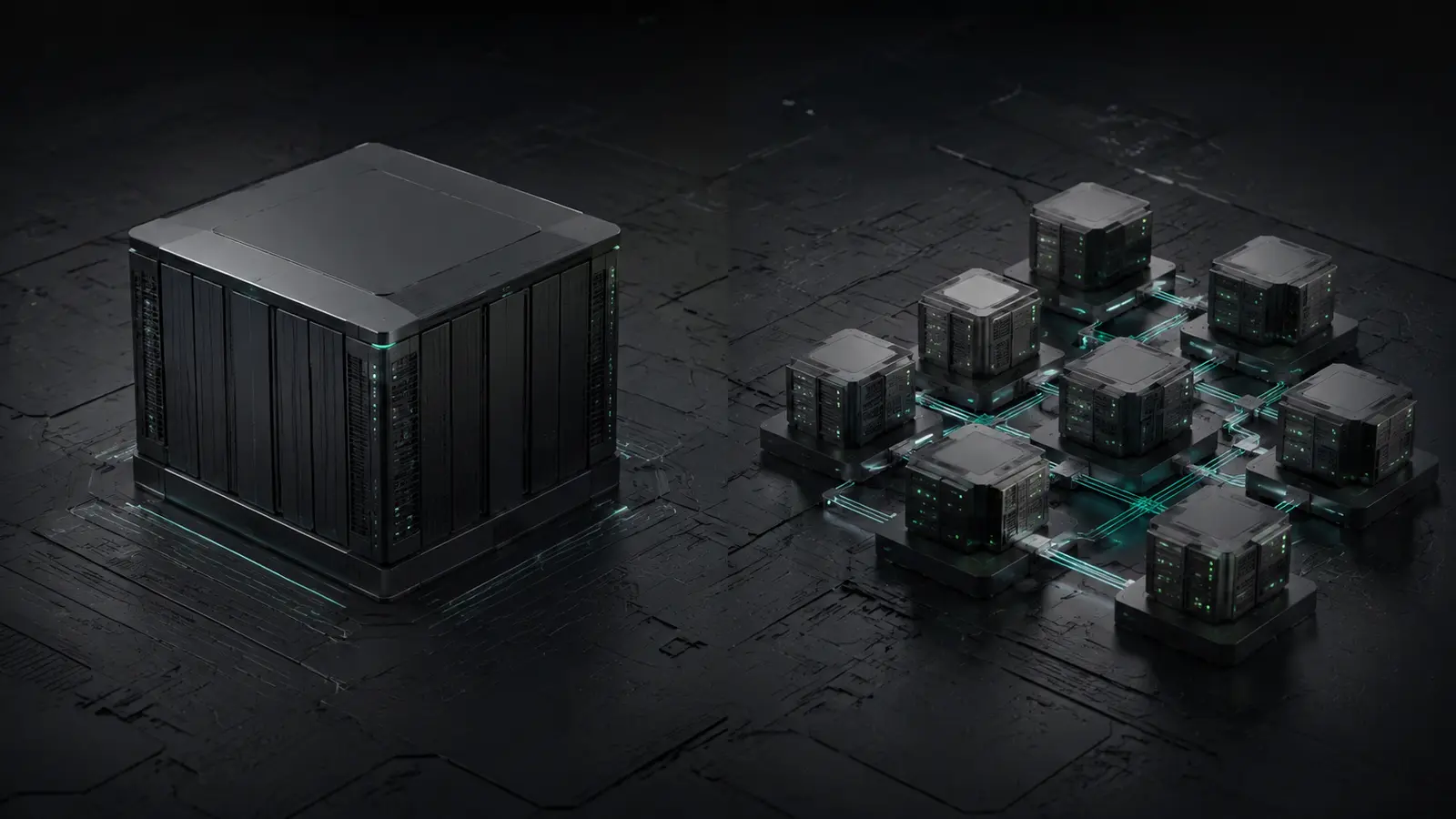
Let team ownership, deployment pressure, and system boundaries drive the architecture.
Read guide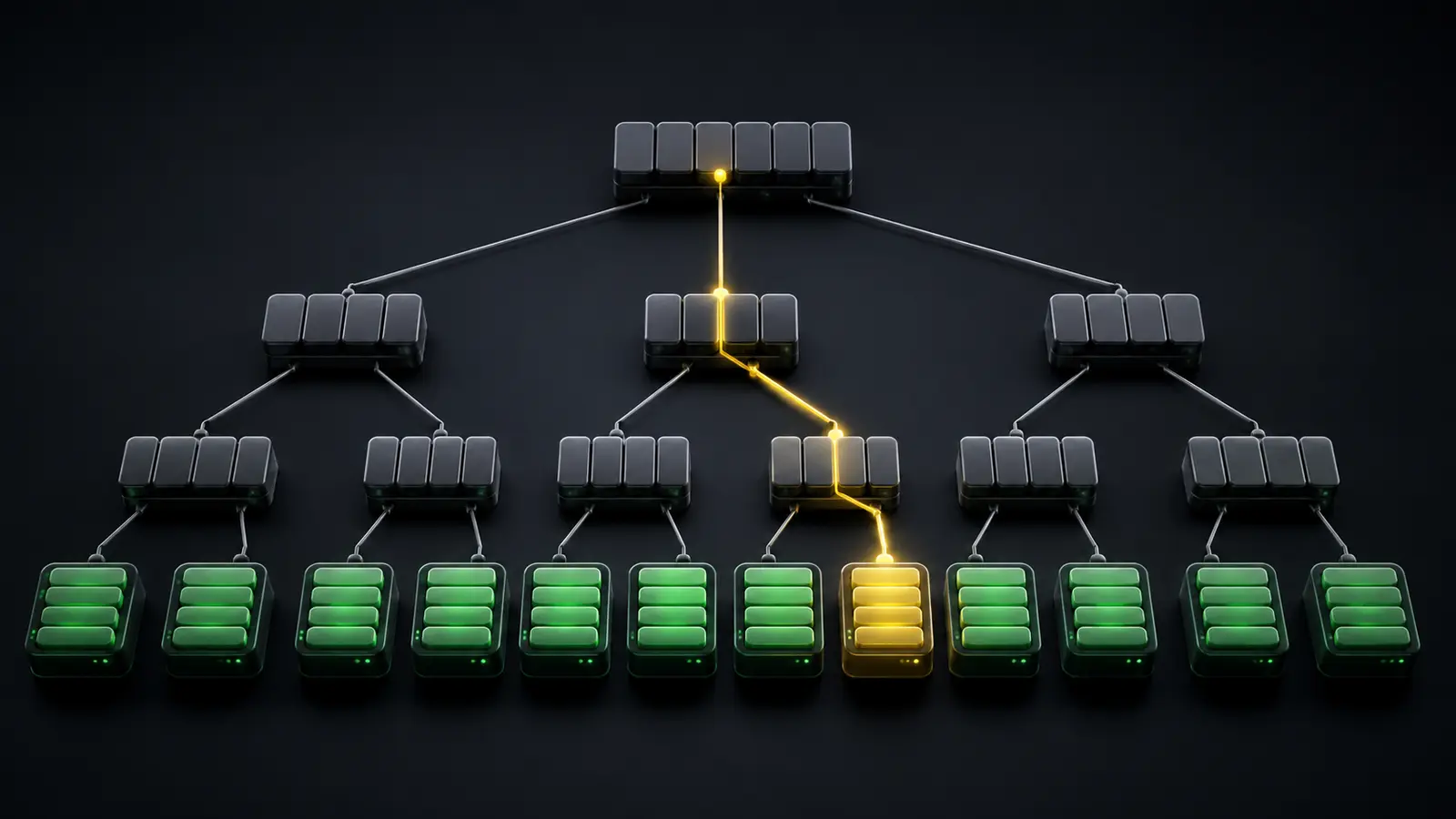
Indexes shorten search paths, but every extra structure adds write, storage, and maintenance cost.
Read guide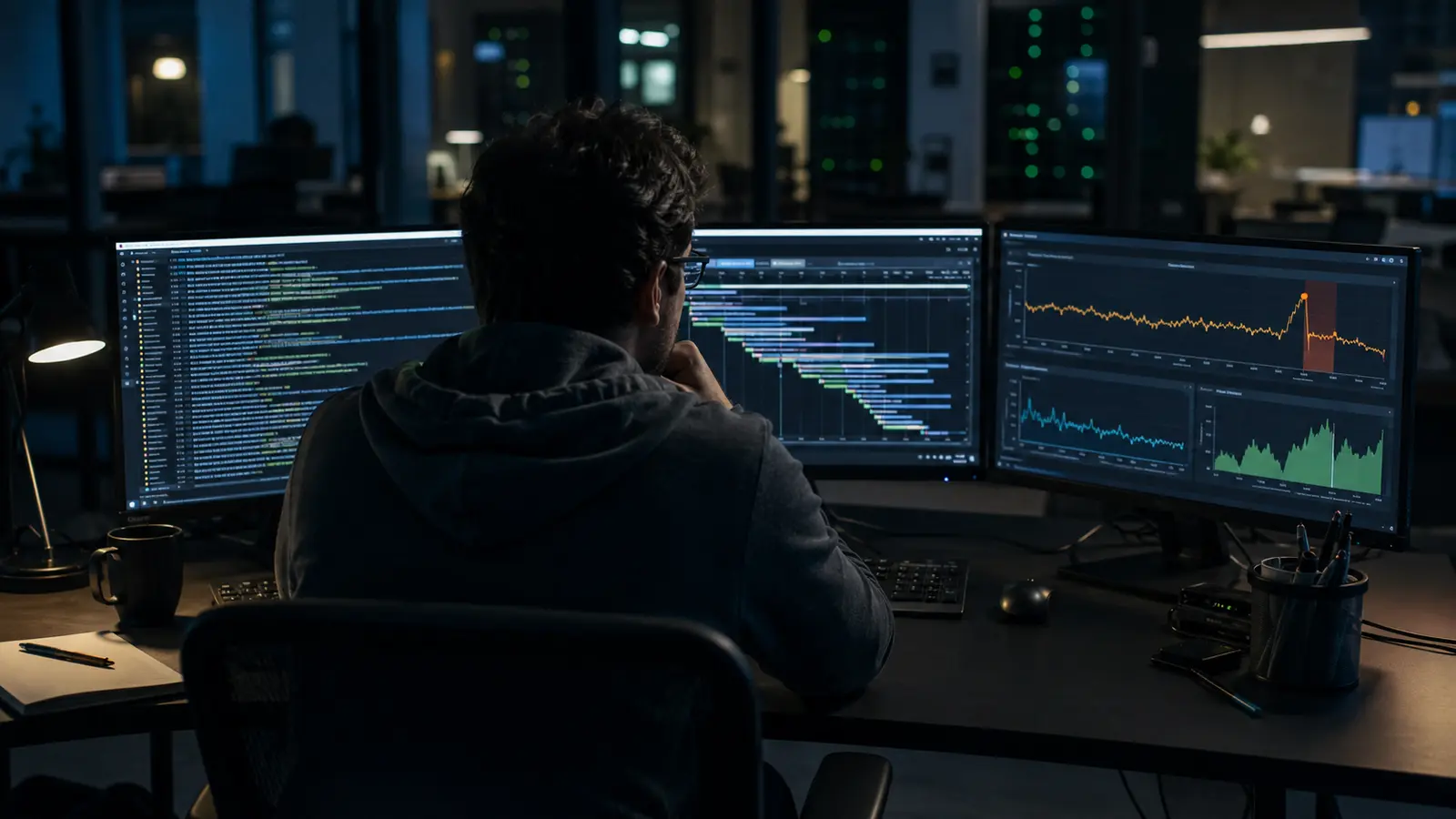
Contain impact, preserve evidence, test hypotheses, and turn the incident into a stronger system.
Read guide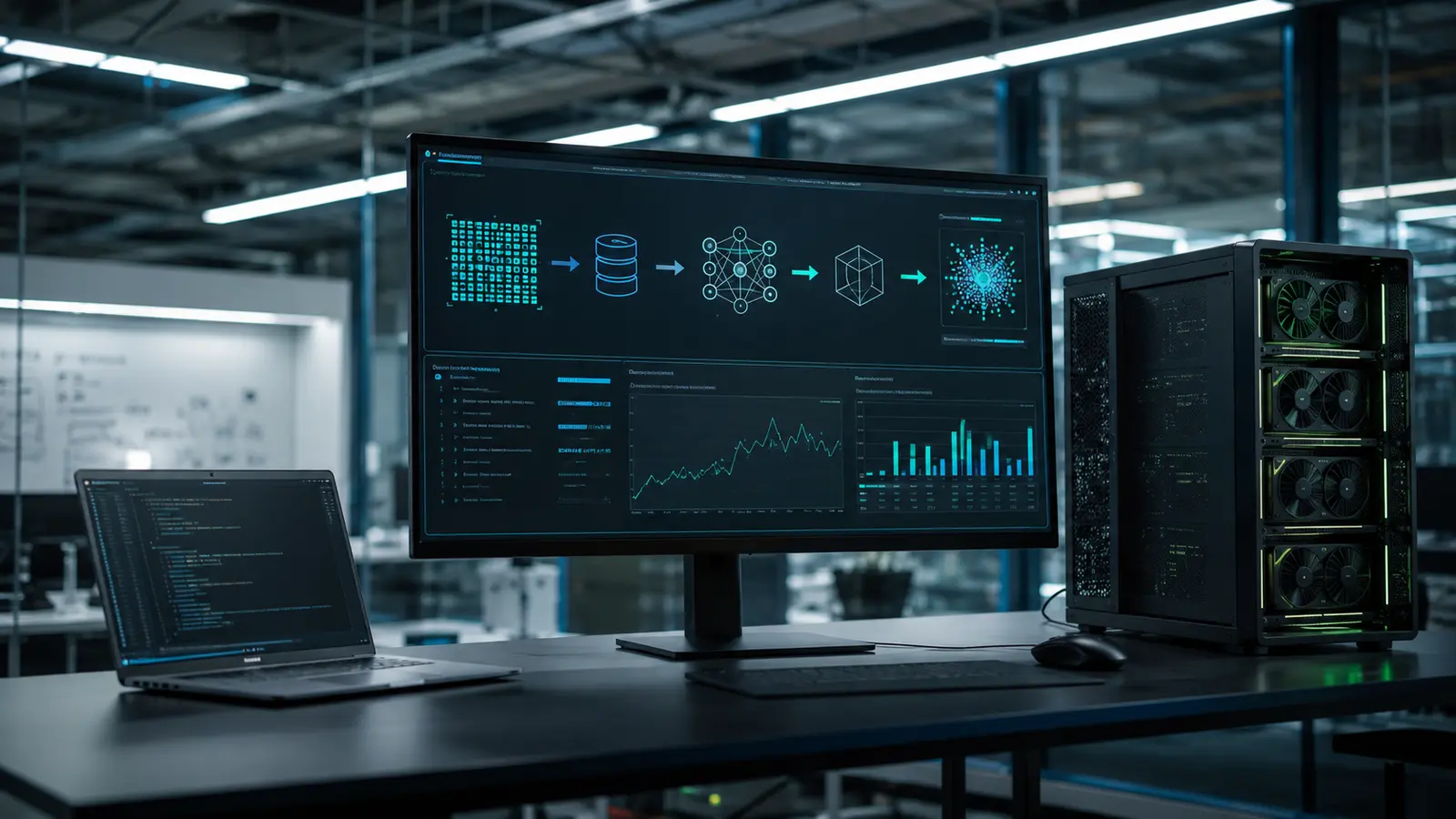
A trained model becomes a product only when data, deployment, monitoring, and ownership are engineered.
Read guideConnected Knowledge
Application behavior is constrained by processors, storage, networks, and the operational environment. A slow request may be a query problem, an overloaded dependency, or a network path with unstable latency.
Security changes also need the same production discipline: inventory, testing, staged rollout, monitoring, and a recovery path. Connecting those concerns early is more reliable than treating them as final checks.
Connect software development with engineering, hardware, networks, security, gaming, and useful applications.