
Improve Wi-Fi Coverage
Start with signal placement and band selection before adding extenders or replacing a router.

Handasa Arabia
A reliable network is not defined by the number on a speed test. Coverage, interference, cabling, latency, device behavior, and the path to the internet all shape what people actually experience.
This collection is designed for readers who want to diagnose a real symptom before buying more equipment. Begin with the room, device, or time when the problem appears, then use the guides to separate wireless conditions from router, provider, and endpoint limitations.
The articles move from everyday Wi-Fi choices to repeatable troubleshooting and measurable network performance, so each change can be tested instead of guessed.
Start With The Symptom
Each route connects two guides that answer one practical networking need from different angles.
Start with signal placement and band selection before adding extenders or replacing a router.
Separate a device-specific failure from congestion, interference, router limits, or an upstream problem.
Decide where Ethernet is worth the cable and learn why delay matters beyond headline bandwidth.
Practical Networking
Clear explanations for the network questions that appear in everyday life.
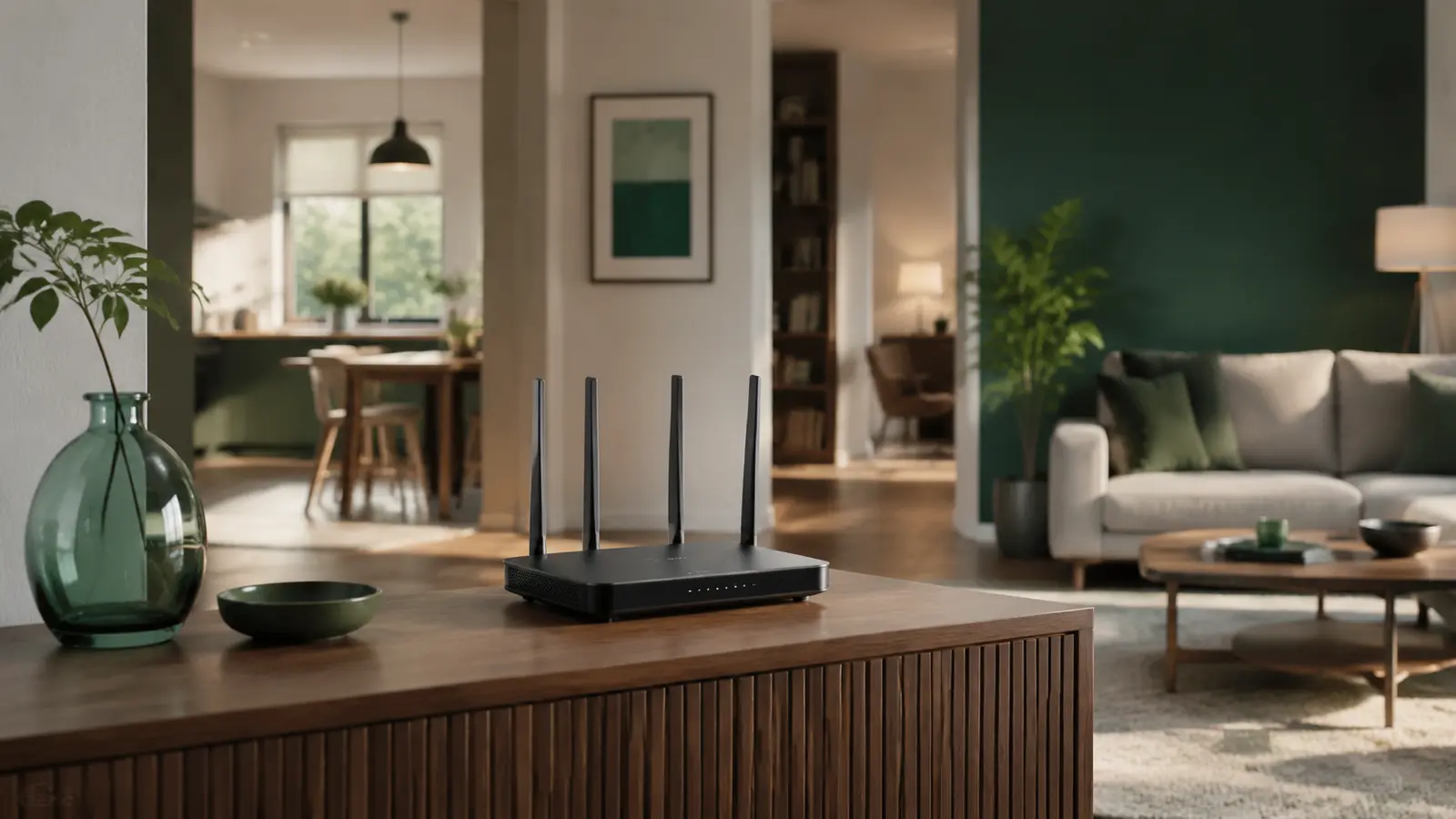
Improve coverage and reduce dead zones before buying more equipment.
Read guide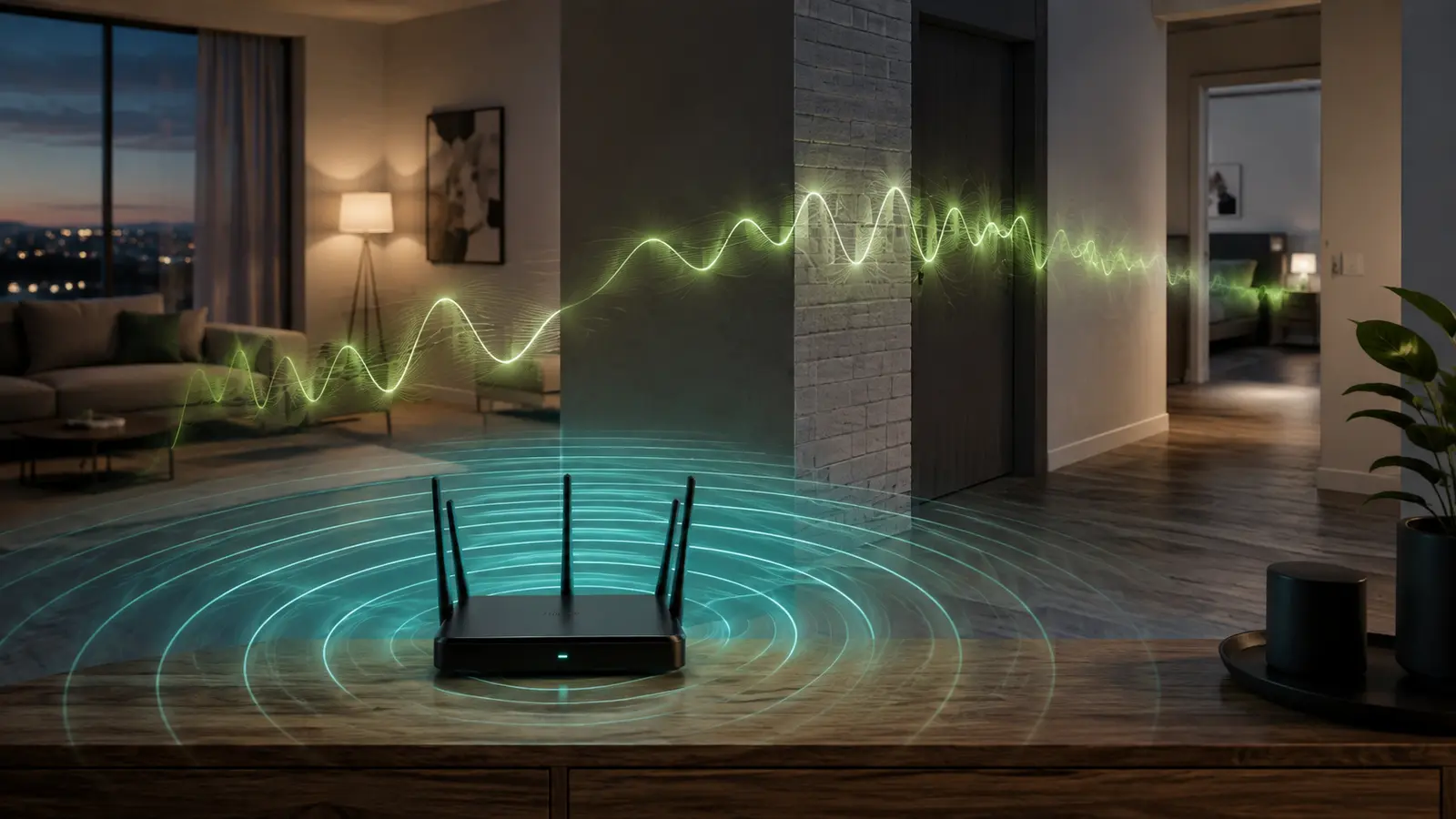
Compare range, speed, walls, interference, and device compatibility.
Read guide
Separate household demand, wireless interference, and ISP congestion.
Read guide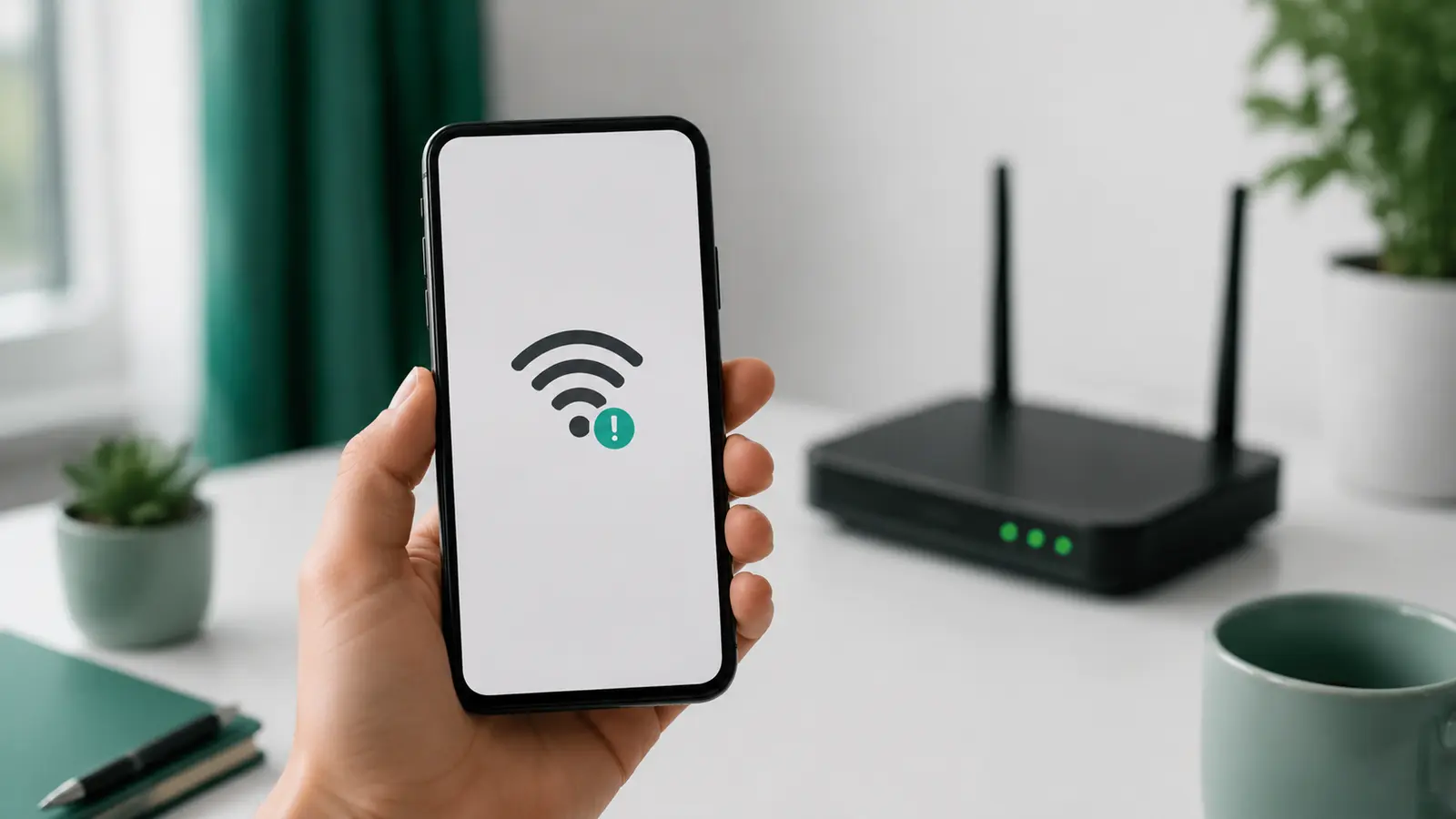
Trace the problem safely from phone to router to provider.
Read guide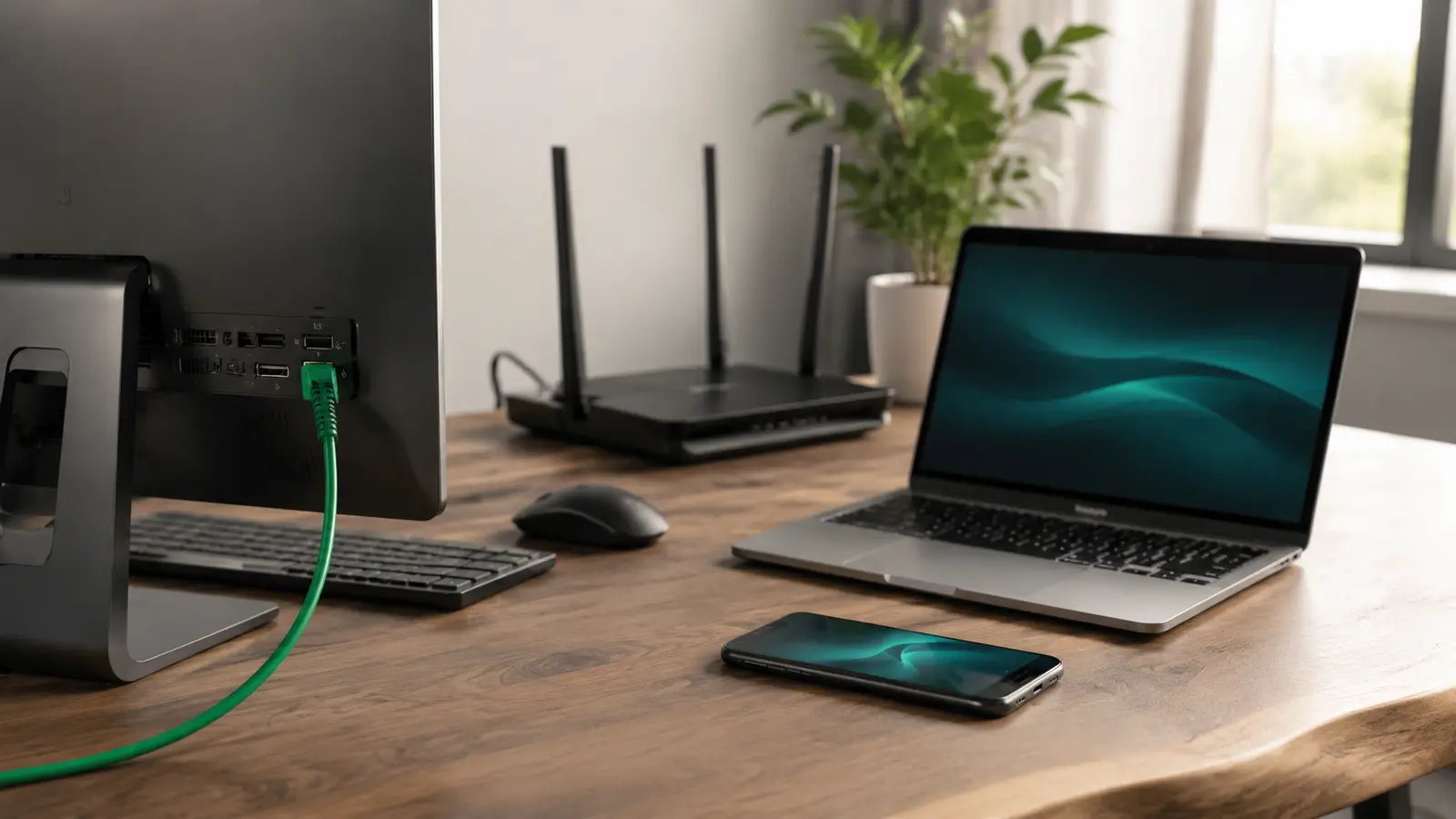
Match fixed and mobile devices with a practical connection.
Read guide
Understand ping, jitter, packet loss, and responsive connections.
Read guideConnected Knowledge
A network problem can begin outside the router. Cloud gaming adds remote rendering and decode to the latency path, while connected sensors depend on radio coverage, power, and resilient engineering decisions.
Security also belongs in the same design. Router administration, firmware updates, guest access, and account protection should be considered alongside coverage and performance—not added after the network is already exposed.
Connect networking knowledge with engineering, software, hardware, security, gaming, and applications.